If you’ve tried contact lenses for keratoconus and found them uncomfortable, you’re not alone.
Many patients tell us the same thing —
👉 “Vision is good with rigid lenses, but I just can’t tolerate them.”
This is exactly where piggyback contact lenses can make a big difference.
At Reform Vision, we often recommend this approach for patients who need clear vision without compromising comfort.
What Are Piggyback Contact Lenses?
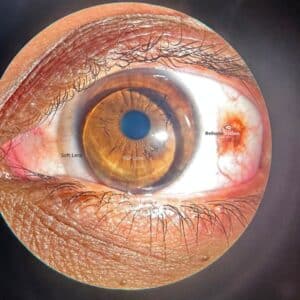
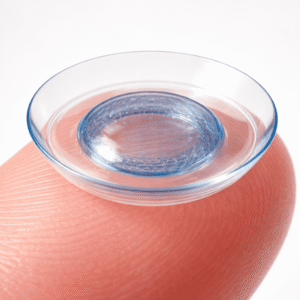
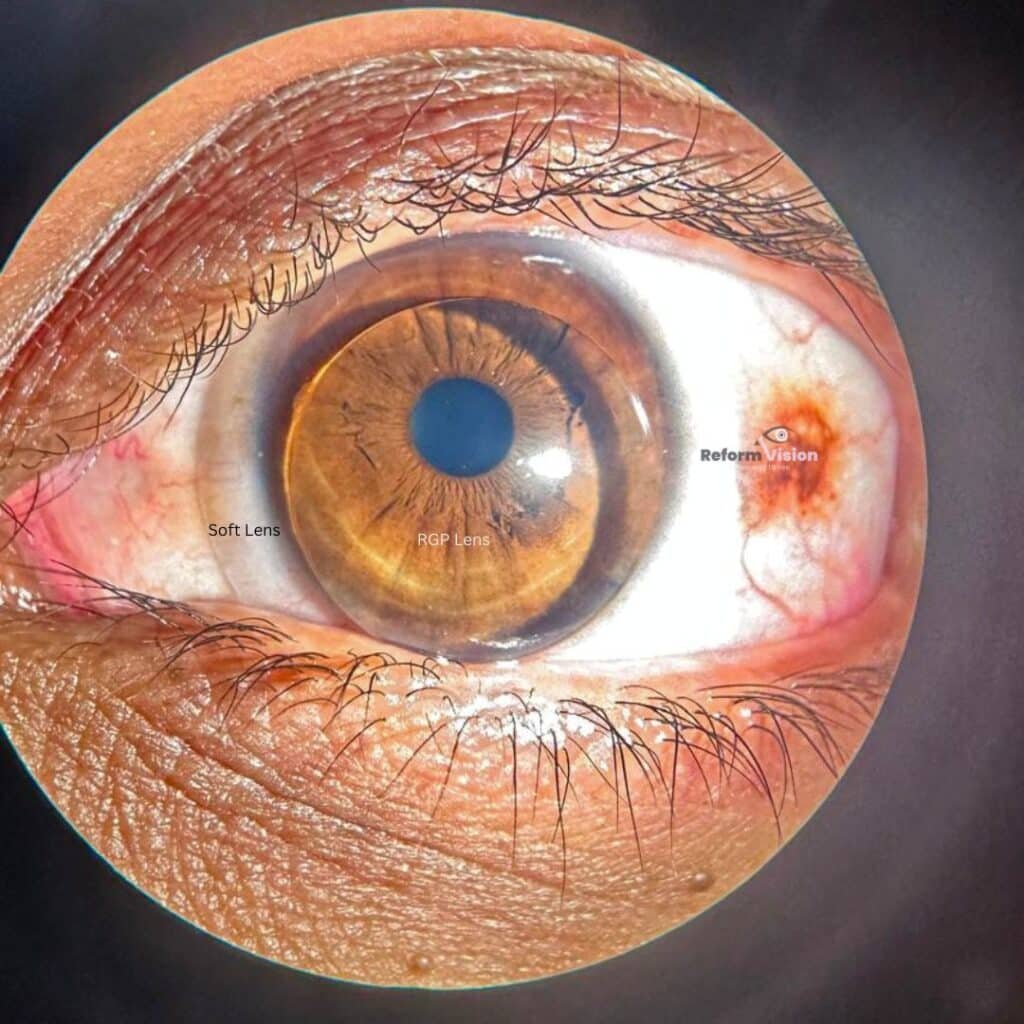
A piggyback system simply means wearing two lenses together:
• A soft lens sits directly on your eye
• A rigid lens (RGP) is placed over it
Think of it this way:
• The soft lens = comfort layer
• The rigid lens = clarity layer
This combination allows you to get the sharp vision of rigid lenses, without the usual discomfort.
Who Is This Useful For?
Piggyback lenses are especially helpful if you have:
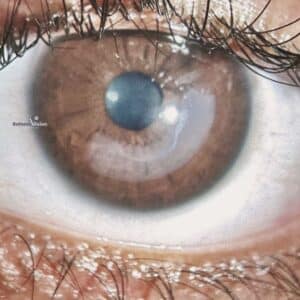
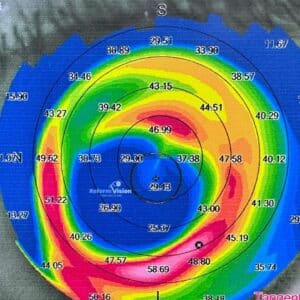
• Keratoconus
• Post-LASIK or post-surgery irregular cornea
• Corneal scarring
• Difficulty tolerating rigid lenses
In these situations, a single lens often doesn’t solve both problems—vision and comfort.
Piggyback helps bridge that gap.
What Difference Will You Feel?
Most patients notice a few key improvements:
✔ More Comfort
The soft lens reduces the “scratchy” feeling of rigid lenses.
✔ Clearer Vision
The top lens smooths out the irregular cornea, improving sharpness.
✔ Longer Wearing Time
You can comfortably wear lenses for more hours during the day.
✔ Better Confidence
Daily activities like driving, screen work, and outdoor tasks become easier.
What Does Clinical Experience & Research Say?
From both clinical practice and published studies:
• Patients who cannot tolerate RGP lenses alone often do well with piggyback systems
• Vision quality remains as good as rigid lenses
• Comfort improves significantly
• Modern silicone hydrogel soft lenses help maintain better oxygen supply to the eye
In many cases, this approach works as a stepping stone before scleral lenses, or even as a long-term solution.
How Is the Fitting Done?
This is not a trial-and-error process—it’s carefully customized.
At Reform Vision:
1. We first select a soft lens for comfort
2. Then place a rigid lens over it
3. We assess:
o Fit and position
o Movement
o Tear exchange
4. Finally, we fine-tune your vision with precise adjustments
The goal is simple: maximum clarity with minimum discomfort
Piggyback vs Scleral Lenses
A common question patients ask us is:
“Should I go for scleral lenses instead?”
Here’s a simple comparison:
| Feature | Piggyback | Scleral |
|---|---|---|
| Comfort | Good | Excellent |
| Vision | Very good | Excellent |
| Handling | Slightly more effort | Easier after training |
| Cost | Moderate | Higher |
👉 The right option depends on your eye condition and lifestyle—not just the lens type.
What Should You Be Aware Of?
Like any medical solution, there are a few practical things:
• You’ll be handling two lenses per eye
• Cleaning routine is slightly more detailed
• Regular follow-up is important
That said, with proper guidance, most patients adapt very well.
Our Approach at Reform Vision
We don’t believe in “one lens fits all.”
Every patient we see undergoes:
• Detailed corneal assessment
• Topography-based evaluation
• Customized lens planning
We routinely manage:
• Keratoconus
• Post-surgical corneas
• Complex and previously failed contact lens cases
The focus is always on long-term comfort, vision, and eye health.
Final Thoughts
Piggyback contact lenses are not the most talked-about option—but for the right patient, they can be life-changing.
They offer:
• A balance of comfort and clarity
• A non-surgical approach
• A practical solution when other lenses don’t work
Thinking About Trying This?
If you’ve been struggling with contact lenses or your vision isn’t stable, it may be time to explore better options.
👉 A proper consultation can help you understand what truly works for your eyes.
Frequently Asked Questions (FAQs) About Piggyback Contact Lenses
Yes, most patients find piggyback lenses much more comfortable than rigid lenses alone. The soft lens acts as a cushion, reducing irritation and improving overall tolerance.
Yes, piggyback lenses are commonly used in keratoconus. They help improve vision by masking corneal irregularity while also increasing comfort compared to rigid lenses alone.
Far far away, behind the word mountains, far from the countries Vokalia and Consonantia, there live the blind texts. Separated they live in Bookmarksgrove right at the coast
Most patients can wear piggyback lenses for long hours, depending on eye condition and lens fit. Your doctor will guide you on safe wearing time based on your eye health.
Yes, when properly fitted and monitored, piggyback lenses are safe. Modern high oxygen (silicone hydrogel) materials help maintain corneal health and reduce complications.
Initially, it may take some practice. However, most patients adapt quickly within a few days and become comfortable with insertion and removal.
Each lens (soft and rigid) must be cleaned separately using appropriate solutions. Your practitioner will provide a clear cleaning routine to follow daily.
Piggyback lenses are a non-surgical option and are often recommended before considering surgery. Many patients achieve excellent vision without needing procedures like corneal transplant.
You may be a good candidate if:
• You cannot tolerate rigid lenses
• You have keratoconus or irregular cornea
• You want a non-surgical vision correction option
The best way is through a detailed contact lens evaluation. Every eye is different, so a customized assessment is essential to decide the right lens option.