“I had CAIRS… but my vision is still not fully clear”
If you’ve undergone CAIRS, you probably expected your vision to improve significantly.
And yes—CAIRS is excellent for:
• Improving corneal shape
• Reducing keratoconus progression
• Making the cornea more regular
But many patients still notice:
• Residual blur
• Distortion or ghosting
• Vision not sharp enough for daily needs
This can feel confusing after surgery.
Why does this happen after CAIRS?
CAIRS works by placing biological ring segments inside the cornea to reshape it.
While it improves the corneal structure:
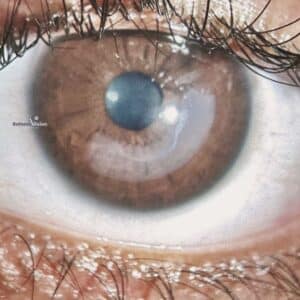
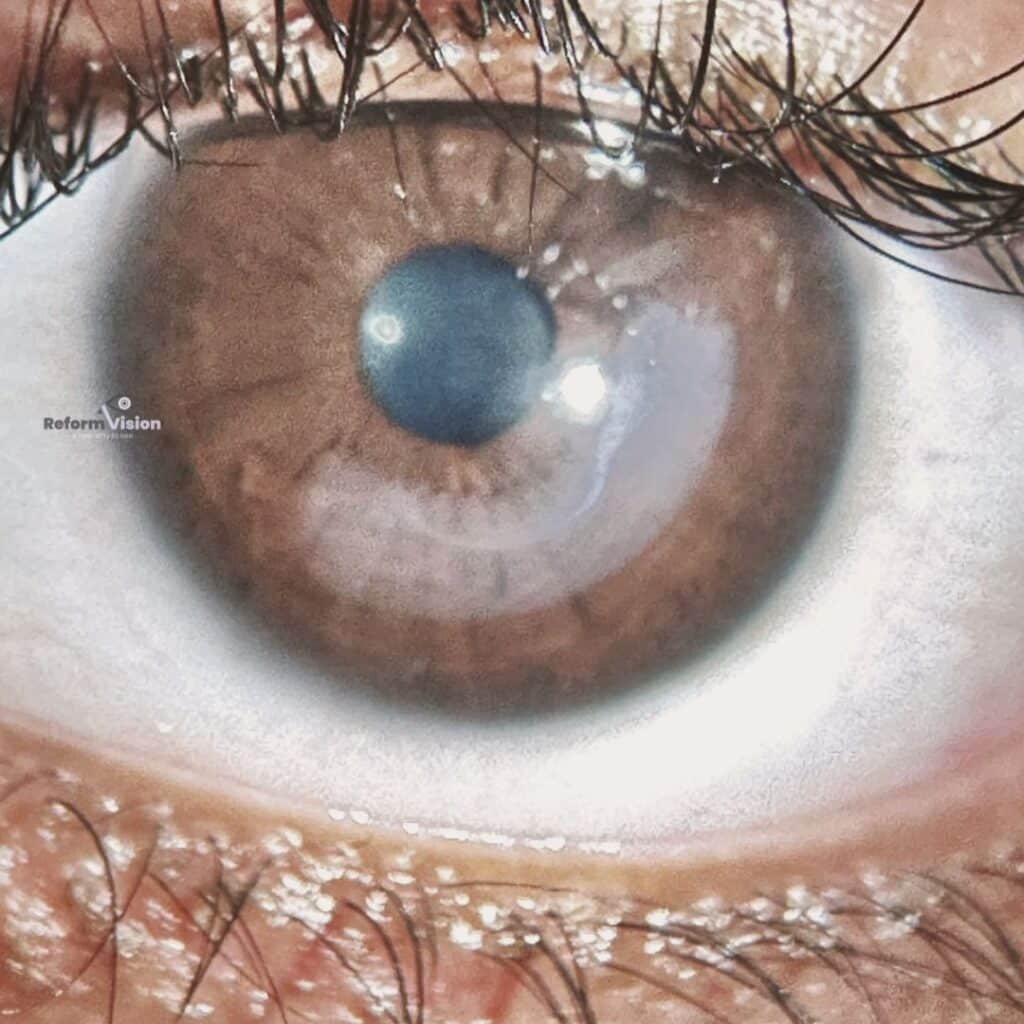
• The surface may still not become perfectly smooth
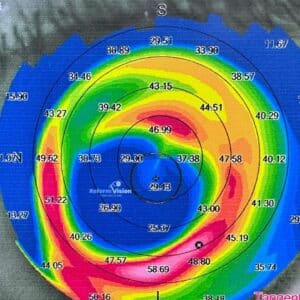
• Some irregular astigmatism remains
• Optical quality may still be affected
In simple terms:
The cornea becomes better—but not always perfect.
Why glasses are often not enough
After CAIRS, many patients try updating glasses but still feel:
• “Vision is better, but not sharp”
• “I still see shadows or double images”
That’s because:
• Glasses cannot correct irregular corneal optics
• They only correct basic power
So even with correct glasses, vision may not reach its full potential.
The good news: Vision can be further improved
In most cases, we can significantly enhance vision after CAIRS using specialty contact lenses.
These lenses:
• Create a smooth optical surface
• Neutralize remaining irregularity
• Improve both clarity and quality of vision
Best contact lens option after CAIRS
Scleral lenses (most effective)
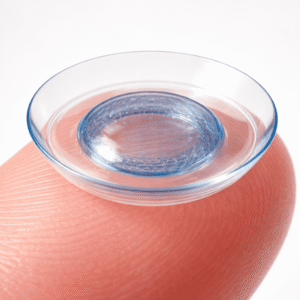
Scleral lenses are the most preferred option after CAIRS.
They:
• Vault over the cornea completely
• Create a fluid layer that smoothens vision
• Provide stable and comfortable vision
What patients experience:
• Sharper vision
• Reduced ghosting and distortion
• Better comfort compared to traditional lenses
Many patients achieve excellent functional vision without needing further surgery.
Other options (selected cases)
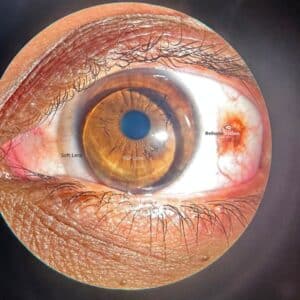
• RGP lenses → good clarity but may be uncomfortable
• Hybrid lenses → moderate comfort and clarity
• Soft lenses → limited benefit in irregular cornea
For most keratoconus + CAIRS cases, scleral lenses give the best results.
Important precautions
After CAIRS:
• The cornea is still biomechanically altered
• Proper lens fitting is essential
You should:
• Avoid self-trial of lenses
• Go for specialized fitting
• Follow regular check-ups
Our approach at Reform Vision
We frequently manage patients:
• After CAIRS
• After CXL, INTACS, or transplant
• With complex irregular corneas
Our focus:
• Customized scleral lens design
• Advanced corneal imaging
• Long-term visual rehabilitation
The goal is simple:
Not just better cornea—but better vision.
What results can you expect?
With the right contact lens:
• Vision becomes sharper and clearer
• Distortion reduces significantly
• Daily activities become easier
Many patients feel they finally achieve the vision they expected after surgery.
Final takeaway
If your vision after CAIRS:
• Is improved but not perfect
• Still has distortion or blur
You are not alone and this is expected.
The next step in your treatment is not another surgery—
it’s the right contact lens.
📞 What should you do next?
A specialty contact lens evaluation can help you:
• Achieve your best possible vision
• Improve quality of life
• Avoid unnecessary additional procedures